A deeper understanding of your oral and general health
Your mouth does not exist in isolation from the rest of your body.
At The Dentist Gallery, we offer advanced saliva and blood testing to provide information beyond a conventional dental examination. Saliva testing helps us investigate the oral microbiome, harmful bacteria and selected genetic risk factors associated with gum disease and recurrent tooth decay. Blood testing allows us to look more broadly at factors that may influence inflammation, healing, energy levels, bone health, blood-sugar control and general wellbeing.
By bringing this information together with your dental examination, medical history and lifestyle, we can develop a more personalised and preventive approach to your care. Our aim is not simply to treat an existing dental problem. We want to investigate why it may be happening, identify factors that could affect treatment and help you maintain your oral health over the long term.

Saliva testing
Saliva contains valuable information about your oral microbiome and your individual susceptibility to certain dental conditions. Our non-invasive saliva testing can help identify:
The results are interpreted alongside your clinical examination, dental history, lifestyle, diet and oral-hygiene habits. They are not considered in isolation.
By identifying some of the biological factors contributing to a dental problem, we can create a more targeted treatment and prevention programme.
For gum disease
Gum disease develops through an interaction between bacterial plaque, the oral environment, lifestyle factors and the way each person's immune system responds.
Some patients experience significant gum problems despite maintaining apparently good oral hygiene. Others may carry higher levels of disease-associated bacteria or have inherited factors that make them more susceptible to inflammation and periodontal tissue damage. Saliva testing helps us investigate these risks and personalise your periodontal care.

Your journey begins with a comprehensive assessment of your gums and the tissues supporting your teeth. During this appointment, we will:
The saliva test can identify harmful oral bacteria and selected genetic markers associated with gum disease. This provides additional information about your periodontal risk and helps us determine the most appropriate treatment.
Once your clinical findings and saliva-test results have been reviewed, we will create an individual treatment plan. Depending on your needs, this may include:
Our aim is to reduce harmful bacterial levels, control inflammation and create an oral environment that is easier to maintain over the long term.
Your appointment with our dentist or hygienist may include:
Where clinically appropriate, we may also recommend oral probiotics as part of your wider care programme.
A review is normally arranged after your prescribed course of treatment. At this appointment, we reassess your gum health and may repeat the saliva test.
Comparing the results can help us understand how your oral microbiome has responded and whether your treatment or maintenance programme should be adjusted.
For recurrent decay
Repeated tooth decay is not always explained by brushing habits alone. Diet, saliva quality, oral acidity, bacterial balance, dry mouth, existing restorations and individual biological susceptibility can all influence how frequently cavities develop.
Our recurrent tooth-decay programme is designed to investigate these underlying factors rather than repeatedly treating cavities without considering their possible cause.

Your first appointment includes a detailed assessment of:
A saliva sample is collected to investigate bacteria associated with tooth decay and selected markers that may influence susceptibility. Where necessary, we will also identify any teeth requiring fillings, crowns or other restorative treatment.
During your second appointment, we review your saliva-test results and explain what they may mean for your oral health. You will receive personalised guidance covering:
We then create a practical prevention plan based on your individual risks.
A follow-up appointment is normally scheduled within six months. We reassess your teeth, review your progress and may repeat the saliva test to measure changes within the oral environment. Your prevention programme can then be refined where necessary.
Blood testing · from £220
Oral health and general health can influence one another. Persistent gum inflammation may occur alongside wider inflammatory or metabolic factors. Diabetes and periodontitis, for example, have a recognised two-way relationship: diabetes can increase the risk and severity of gum disease, while severe gum disease can make blood-sugar management more difficult.
Blood testing can therefore provide useful supplementary information for selected patients, particularly when we are:
Blood tests are used alongside your dental examination and medical history. They are not used to diagnose a dental or medical condition on their own.

The panel
Our blood-testing programme can include the following groups of tests. The precise panel recommended will depend on your medical history, symptoms, dental condition and planned treatment.

A Full Blood Count, or FBC, measures the main types of cells circulating in your blood. These include:
The five-part differential provides additional information about the different types of white blood cells. This can help identify findings that may warrant further medical investigation, including possible:
For dental patients, an FBC may be particularly useful when there are concerns about persistent tiredness, recurrent infection, bleeding, slow healing or before certain surgical procedures.
The Erythrocyte Sedimentation Rate, or ESR, is a non-specific marker that may rise when inflammation is present in the body. It does not identify where the inflammation is coming from and cannot diagnose a particular condition on its own. It may, however, contribute to a wider assessment when a patient has persistent inflammation, unexplained symptoms or a medical history that could influence oral health and healing.
U&Es provide information about:
Kidney function and electrolyte balance can be relevant when reviewing general health, medication considerations and suitability for certain treatments. Abnormal findings require assessment by an appropriate medical professional.
LFTs measure a group of markers associated with the liver and biliary system. The liver plays an important role in:
These results may provide useful background information when reviewing general health or planning treatment involving medication. Liver blood tests must be interpreted as a group and alongside medical history, symptoms and other investigations.
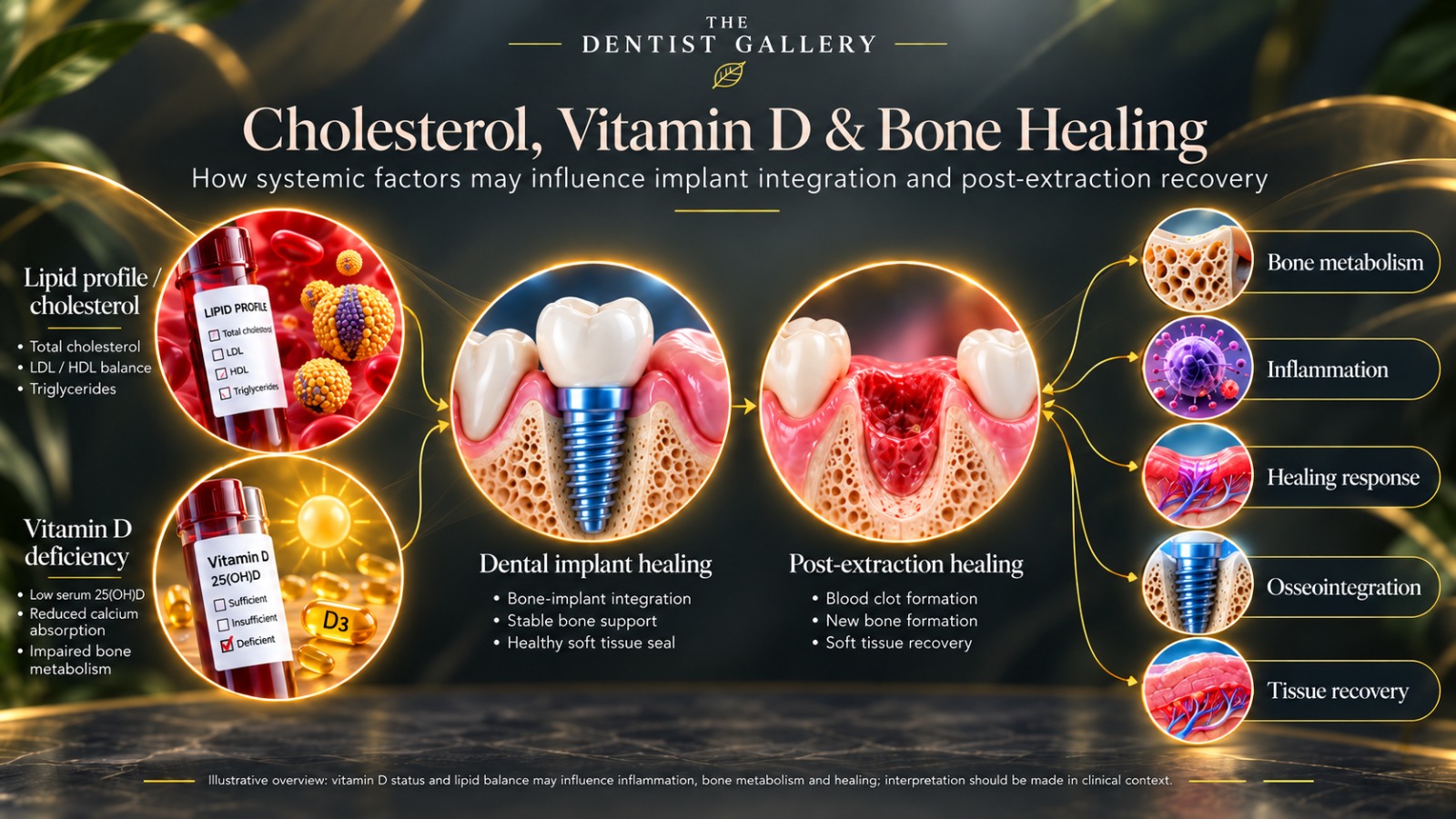
A lipid profile measures fats circulating in the blood, which may include:
These measurements contribute to an assessment of cardiovascular risk. They do not provide a cardiovascular diagnosis by themselves and should be interpreted alongside factors such as age, blood pressure, smoking, diabetes, family history and general medical health.
Our bone profile can include calcium, magnesium, phosphate and uric acid. These markers provide information relevant to mineral balance, metabolism and general health. Calcium, magnesium and phosphate contribute to normal bone and tissue function, which may be useful when assessing a patient's wider health before implant treatment, bone grafting or other procedures involving bone healing.
A blood bone profile does not measure jawbone quality or determine whether a patient is suitable for dental implants by itself. Clinical examination and dental imaging remain essential.
HbA1c provides an indication of average blood-glucose levels over approximately the previous two to three months. This is particularly relevant to dentistry because persistently raised blood glucose may be associated with:
There is a recognised two-way relationship between diabetes and periodontitis. People with diabetes have a greater risk of severe gum disease, and effective periodontal care can form an important part of managing oral and general health. An abnormal HbA1c result does not provide a complete diagnosis on its own — where necessary, we will advise you to consult your GP or another appropriate medical professional.
HsCRP measures very low levels of C-reactive protein in the blood, which is produced in response to inflammation. It may contribute to an assessment of low-grade systemic inflammation, cardiovascular risk, and changes in inflammatory status over time. For patients with significant or persistent gum disease, this can provide supplementary information about inflammation beyond the mouth.
However, hsCRP is non-specific. Levels can rise for many reasons, including infection, injury, inflammatory conditions and other health factors. It cannot identify the source of inflammation and must not be used by itself to diagnose gum disease, cardiovascular disease or any other medical condition. Cardiovascular risk should always be assessed using the wider clinical picture, including blood pressure, cholesterol, diabetes status, smoking, family history, age and medical history.
Together, TSH, Free T3 and Free T4 provide information about thyroid function. Thyroid hormones influence many processes within the body, including metabolism, energy levels, temperature regulation, heart rate and general wellbeing. Thyroid disorders may also affect how a patient feels, responds to stress or recovers from treatment.
These tests are not dental diagnostic tests. They are included to provide a broader health assessment where clinically appropriate. Abnormal results should be discussed with a GP or endocrinology specialist.
Cortisol is a hormone involved in the body's response to stress and in the regulation of metabolism, inflammation and the sleep-wake cycle. Cortisol levels vary naturally throughout the day and can be affected by time of sample collection, stress, sleep, illness, medication and hormonal conditions.
A cortisol result must therefore be interpreted in context. It cannot be used on its own to diagnose stress, anxiety, adrenal disease or the cause of a dental condition. Where a result is outside the expected range, further medical assessment may be recommended.
Vitamin D contributes to normal bone metabolism, calcium regulation, muscle function and immune function. Adequate vitamin D status may be relevant when considering bone health, healing and recovery — particularly useful for patients undergoing implant placement, bone grafting or other surgical procedures, although vitamin D levels alone do not predict the outcome of dental treatment.
Vitamin B12 is important for normal red-blood-cell production, neurological function, energy metabolism and healthy cell division. Low vitamin B12 may be associated with anaemia, tiredness, neurological symptoms and, in some cases, changes affecting the mouth or tongue. Active Vitamin B12 assesses the fraction of vitamin B12 available for use by the body.
Ferritin provides an indication of the body's stored iron. Low ferritin may be associated with iron deficiency, even before significant anaemia is identified on a Full Blood Count. Iron status can be relevant when investigating fatigue, reduced energy, pale oral tissues, recurrent mouth ulcers, burning or soreness of the tongue, and delayed healing. Ferritin can also rise during inflammation, so the result must be interpreted alongside the Full Blood Count, inflammatory markers and medical history.
Folate is required for normal cell division, red-blood-cell production, and tissue growth and repair. Low folate can contribute to certain forms of anaemia and may be associated with tiredness or changes within the mouth. Folate results are interpreted alongside Vitamin B12, ferritin and the Full Blood Count.
Resource
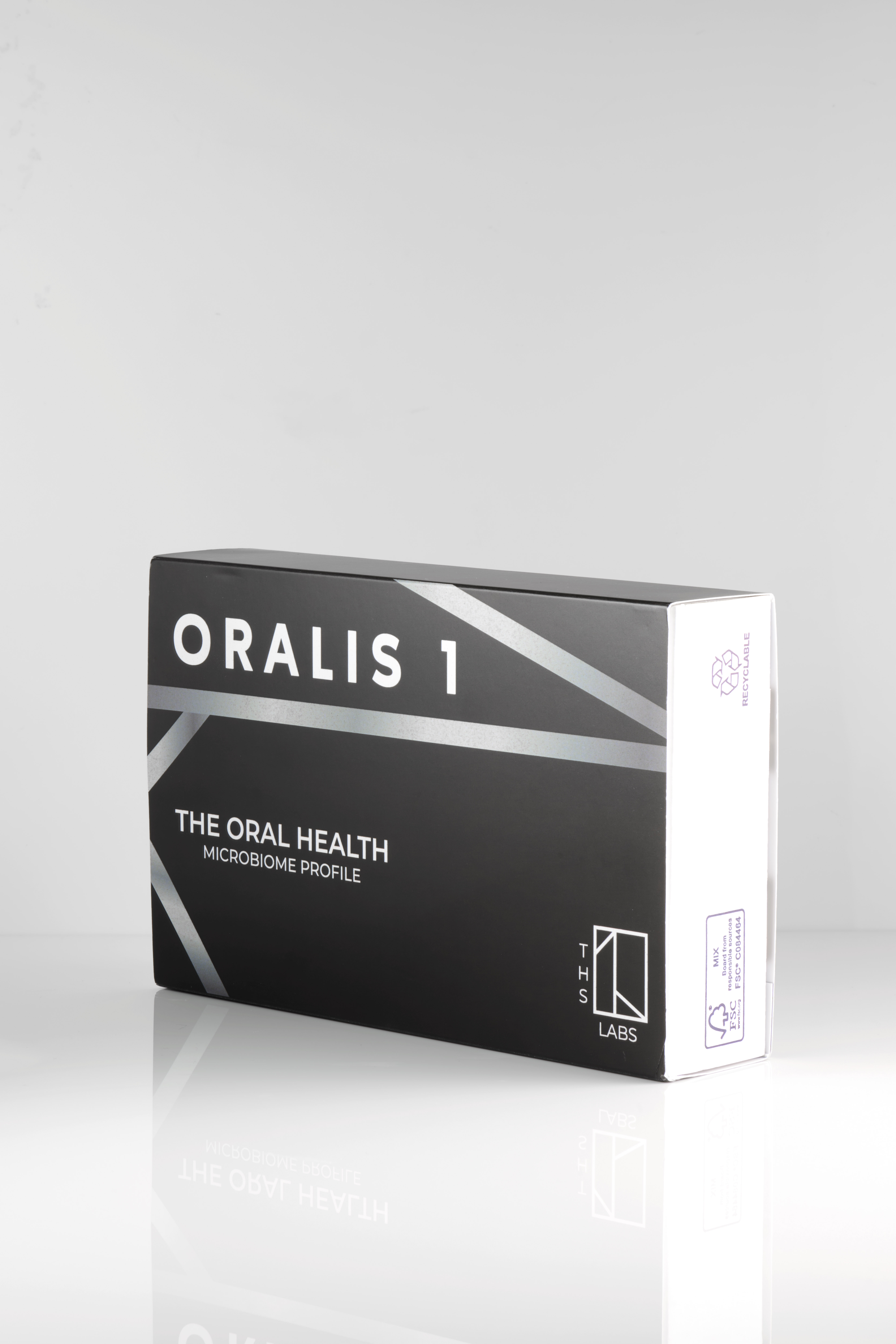
To help you understand more about our saliva-testing technology, we've put together a short guide explaining what ORALIS tests for and how it's used as part of your care.
A fuller picture
Saliva and blood testing examine different but potentially connected aspects of health. Combining these findings with a comprehensive dental examination may help us build a more complete picture of the patient.
After testing
Once your laboratory results are available, we will arrange an appointment to explain them clearly.
We will review:
We do not use laboratory results to create unnecessary dental treatment. Testing is recommended when we believe it may provide meaningful information and improve the safety, personalisation or prevention focus of your care.

Pricing
The programme may include an initial dental assessment and saliva test, oral-health training, a diet consultation, a personalised prevention plan, a follow-up assessment, and repeat saliva testing where indicated.
The programme may include an initial periodontal examination, a saliva test, a personalised treatment plan, dentist or hygienist appointments, Guided Biofilm Therapy, periodontal treatment where required, a review appointment, and repeat saliva testing where indicated.
The cost of blood testing depends on the laboratory panel selected. The comprehensive panel may include haematology (FBC with five-part differential, ESR), biochemistry (U&Es, LFTs, lipid profile, bone profile, HbA1c), inflammation and cardiovascular markers (hsCRP), endocrine testing (TSH, Free T3, Free T4, cortisol), and nutritional testing (Vitamin D, active Vitamin B12, ferritin, folate).
A complete quotation will be provided before testing.
Combined assessments are tailored to the patient's dental condition, medical history and treatment requirements. We will explain the tests being recommended and provide a complete quotation before proceeding.
Saliva and blood-test results must always be interpreted alongside your clinical dental examination, your dental and medical history, your symptoms, your medication, relevant dental imaging, and other medical investigations where appropriate. These tests do not provide a diagnosis on their own.
Blood testing at The Dentist Gallery is intended to support dental treatment planning, risk assessment and preventive care. It does not replace:
Where a result falls outside the expected laboratory range or indicates a possible medical concern, we will advise you to contact your GP or another appropriately qualified healthcare professional. Urgent or significantly abnormal results will be managed according to the appropriate clinical referral pathway.
A deeper understanding of your oral and
general health